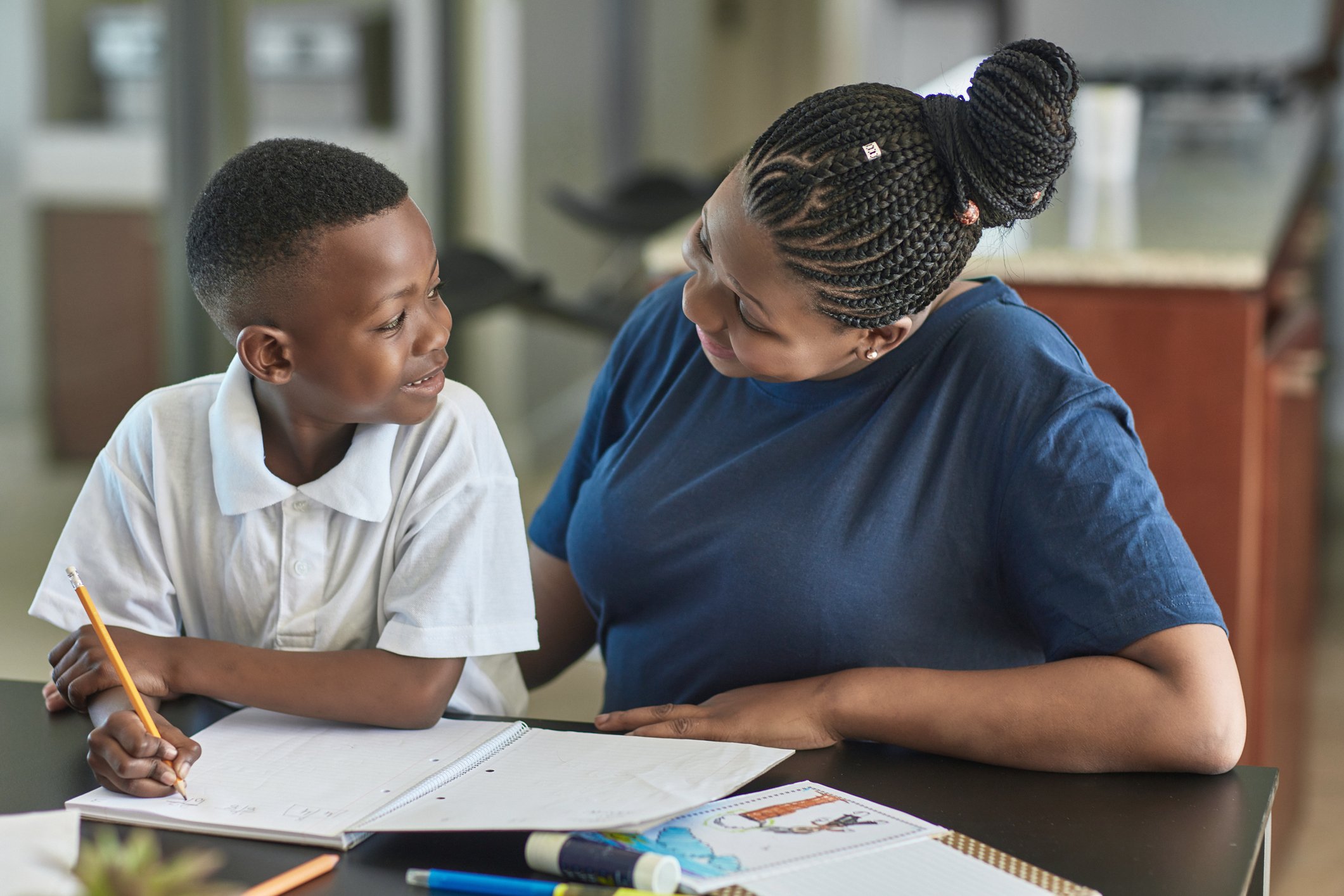
What are visual-motor skills?
Visual-motor skills help children use information from their eyes to guide their body movements. These skills allow the eyes, brain and body to work together to complete everyday activities.
Children use visual-motor skills when they reach for a toy, stack blocks, use a spoon or fork, complete puzzles, catch or kick a ball, draw, colour, write, use scissors, build with construction toys, navigate playground equipment or use age-appropriate technology for learning and creativity.
Visual-motor skills continue to develop as children grow. With practice, movements become more accurate, coordinated and efficient.
Everyday examples
Visual-motor skills are important for many daily activities.
| Area | Examples |
|---|---|
| Self-care | Feeding with utensils; managing buttons, zippers and shoelaces; brushing teeth. |
| Play | Building with blocks or LEGO; completing puzzles; playing ball games; creating arts and crafts. |
| Learning | Drawing and colouring; printing letters and numbers; using scissors; completing worksheets and school projects. |
| Recreation | Playing sports; learning musical instruments; creating artwork; building complex models or structures. |
These skills help children participate successfully at home, school and in their communities.
What abilities work together?
Several skills work together to support visual-motor development.
| Ability | What it means |
|---|---|
| Vision | Seeing objects clearly and noticing where they are. |
| Eye movements | Following moving objects and shifting attention between targets. |
| Visual perception | Understanding shape, size, position, direction and spacing. |
| Motor planning | Figuring out how to move the body to complete a task. |
| Fine and gross motor control | Using the hands, fingers, arms and body with enough strength and coordination to carry out a movement. |
Visual-motor performance depends on all of these abilities working together effectively.
Visual-motor milestones by age
Children develop at their own pace. The following milestones are approximate guidelines.
| Age | Examples of visual-motor skills |
|---|---|
| 0–6 months | Looks at faces; follows moving objects; reaches toward toys; brings hands to mouth. |
| 6–12 months | Grasps and releases toys; transfers objects between hands; bangs toys together; picks up finger foods. |
| 1–2 years | Stacks blocks; places objects into containers; scribbles with crayons; begins using a spoon. |
| 2–3 years | Builds taller towers; turns pages; completes simple puzzles; copies simple lines. |
| 3–4 years | Draws circles; copies simple shapes; uses child-safe scissors; strings large beads. |
| 4–5 years | Copies squares and some letters; colours with more control; completes more complex puzzles. |
| 5–7 years | Prints letters and numbers more accurately; cuts more complex shapes; catches balls; starts to use a keyboard to access technology. |
| School-age and older | Improves handwriting; participates in sports, music, crafts, construction activities and increasingly complex school tasks. |
These skills typically become more refined as children gain experience and practice.
What most children can do
Every child develops at their own pace. The examples below are general guidelines that summarize common visual-motor and eye-hand coordination skills children may show as they grow.
| Age | Common visual-motor skills |
|---|---|
| Around 1 year | Reach accurately for toys; pick up small finger foods; transfer objects between hands; release objects into a container. |
| Around 2 years | Stack several blocks; scribble with crayons; turn pages in a book; place simple puzzle pieces; begin using a spoon with increasing accuracy. |
| Around 3 years | Copy simple lines; complete simple puzzles; build larger block towers; string large beads; use child-safe scissors with assistance. |
| Around 4 years | Copy circles and simple shapes; draw simple pictures; complete more complex puzzles; build structures from a model; colour with greater control. |
| Around 5 years | Copy squares and some letters; draw recognizable people and objects; cut simple shapes with scissors; complete age-appropriate mazes; build more detailed constructions. |
| Around 6 years and older | Print letters and numbers more accurately; copy more complex shapes and designs; participate in sports requiring eye-hand coordination; create detailed drawings and craft projects; complete increasingly complex school activities independently. |
Remember: Children may be ahead in some areas and need more time in others. If you have concerns about your child’s development or participation in daily activities, speak with your child’s health-care provider.
Ways to support development through play
Children develop visual-motor skills best through active, hands-on experiences. Try:
- Building with blocks, magnetic tiles or construction toys
- Completing puzzles
- Drawing, colouring, painting and crafts
- Cutting and pasting activities
- Catching, throwing or kicking balls
- Climbing and navigating playground equipment
- Threading beads or lacing activities
- Helping with cooking tasks such as pouring and stirring
- Age-appropriate digital drawing or creative apps used in moderation
The goal is to provide opportunities to practice seeing, planning and moving during fun everyday activities.
When to talk to a health-care provider
Consider discussing your child’s development with a health-care provider if your child:
- Frequently bumps into objects or appears unusually clumsy
- Avoids puzzles, drawing, colouring or crafts
- Has difficulty using utensils, buttons or zippers
- Struggles with catching, throwing or kicking a ball
- Becomes very frustrated with age-appropriate hand skills
- Appears delayed in writing or drawing skills for age
- Appears delayed in several motor skills or is not making progress over time
Early support can help identify strengths, challenges and strategies to support participation in daily activities.
Related resources
Parents and caregivers can support visual-motor development through play, everyday routines, and meaningful activities that encourage children to explore, create, build, and move.
Visual-motor skills continue to develop throughout childhood and play an important role in learning, independence, and participation in daily life.
Remember: Every child develops at their own pace. Milestones are guides, not rules. If you have concerns about your child’s development, speak with your child’s health-care provider.