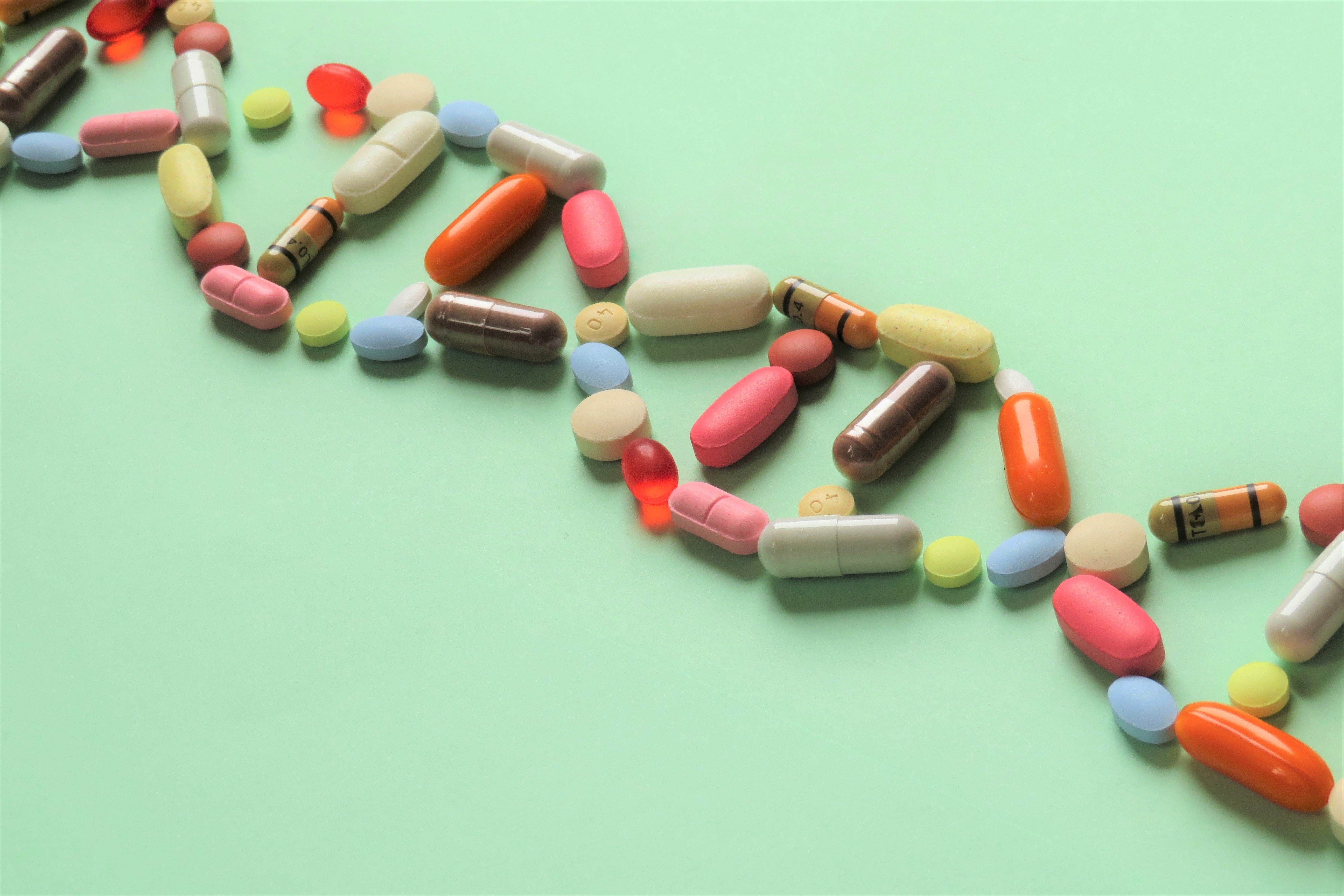
Genes tested in pharmacogenetics
Genes serve as the instructions our bodies use to develop, grow and function throughout our life. In pharmacogenetics (PGx), genes are tested for their association with predicted medication response. Most genes analyzed in PGx testing provide instructions for enzymes. Enzymes are proteins in the body that help process medications by either activating them or breaking them down (metabolizing them). Genetic variations found in these genes can affect how quickly or slowly an individual processes a medication, influencing the medication’s effectiveness and potential side effects.
What is NAT2?
NAT2 is a gene that provides the instructions to make the NAT2 enzyme, which is involved in the breakdown (metabolism) of medications within the body. This enzyme is mainly found in the liver, which is where it processes certain medications, affecting how well they work and how long they stay in the body.
PGx testing of NAT2
Genetic variation—the natural differences in DNA sequences between individuals—can affect how different people process the same medication. Because of specific genetic variation, the NAT2 enzyme may work differently from person to person. NAT2 enzyme activity is specifically measured by the enzyme’s ability to perform a particular chemical reaction—acetylation. About half of the world’s population is considered to be slow acetylators (have lower NAT2 enzyme activity), and the other half is considered to be rapid acetylators (have higher NAT2 enzyme activity).
The results of NAT2 PGx testing can predict how quickly or slowly your child is able to metabolize certain medications, including hydralazine, which can help their health-care team choose or adjust their medication dosage.
Medications affected by NAT2
Currently, there is one medication affected by genetic variation in NAT2. If your child’s enzyme is predicted to work slowly or quickly, it may affect how fast this medication is cleared from the body:
- Hydralazine, a medication that relaxes the blood vessels (vasodilator) used to treat high blood pressure
The medications listed above are referred to by their generic names. You may hear your child’s medication called by a different brand name. Generic medicines and brand-name medicines share the same active ingredient and offer the same performance, safety and effectiveness. This medication list is also subject to change with increasing research on the NAT2 enzyme.
NAT2 metabolizer statuses
The PGx results for NAT2 are organized into metabolizer/acetylator status categories, based on the predicted function of the enzyme. Patients may be categorized into one of three groups:

- Poor metabolizer/slow acetylator – reduced enzyme activity; your child may break down medication slowly
- Your child’s health-care team may recommend starting with a lower dose of medication to ensure it works safely and effectively for your child.
- Download the NAT2: Poor metabolizer/Slow acetylator handout to learn more.

- Your child’s health-care team may recommend starting or maintaining a standard dose to ensure the medication works safely and effectively for your child.
- Download the NAT2: Intermediate metabolizer/Rapid acetylator handout to learn more.

- Your child’s health-care team may recommend starting or maintaining a standard dose to ensure the medication works safely and effectively for your child.
- Download the NAT2: Rapid metabolizer/Rapid acetylator handout to learn more.
These statuses are not an indicator of your child’s health—they simply predict whether your child might need a different dose of medication or a different medication entirely. In addition to PGx test results, your child’s health-care team will still consider medical history and other factors to ensure the best treatment for your child.
To learn more about drug metabolism, metabolizing enzymes and the metabolizer status scale, see Genetics basics for pharmacogenetics.
Why is my child’s PGx status important?
NAT2 is an enzyme that helps break down hydralazine in the body. You can think of it like a drain in a pool that controls how quickly water flows out. The water represents medication. If the drain is slow, water builds up. Similarly, if your child’s NAT2 enzyme is slower than average at breaking down hydralazine, the medication might stay longer in the body, which may cause unwanted effects.