Every baby develops at their own pace and the expected age at which milestones are reached is based on the typical development of a healthy full-term baby.
Month seven
Your baby's ability to sit up continues to improve this month and they should be able to sit for a few minutes at a time. They may still need their hands to support themselves when sitting. They will not be able to maneuver themselves into the sitting position yet, though. They will need your help for that.
With your support, your baby should be able to stand and jump up and down. This will be a source of great enjoyment to them! Bouncing up and down is a great workout for their legs.
Your baby's hand coordination continues to improve this month. They may become quite adept at holding a toy in one hand and passing the toy from one hand to the other.
Month eight
By this time, your baby can not only sit up but they can also get themselves into the sitting position without your help. They can even pull themselves into the standing position. They may have difficulty getting back down, though.
Some babies learn to crawl this month and some don't. Some prefer to slide on their belly or bottom instead of crawling. Most start off travelling backwards first, before they try going forward. If your baby hasn't learned to crawl yet, they will learn soon enough, or they may simply go straight from sitting to walking later on.
Month nine
Your baby has learned to use their index finger to poke at items. This helps them to explore things they are holding in their hand. Another major accomplishment is they now know how to let go of an object voluntarily when they do not want to play with it anymore. This eliminates a major source of frustration for your baby.
Month 10
If you hold your baby's hand, they may be able to take a few tentative steps this month. They may also become quite good at carrying out repetitive motions, such as picking up a toy in one hand and passing it to the other hand before dropping it in a pail beside them.
Month 11
Your baby may be able to stand by themselves for a few seconds this month. They will also be able to move from a standing position to a sitting position when they want to.
Month 12
This month, your baby may take their first step, if they have not done so already. they will keep their legs spread far apart when they do this, to help improve their stability. Your baby will have to concentrate very hard when they take their first steps. For the next few weeks, they will often look at their feet when trying to walk, to keep track of where they are in relation to the objects around them.
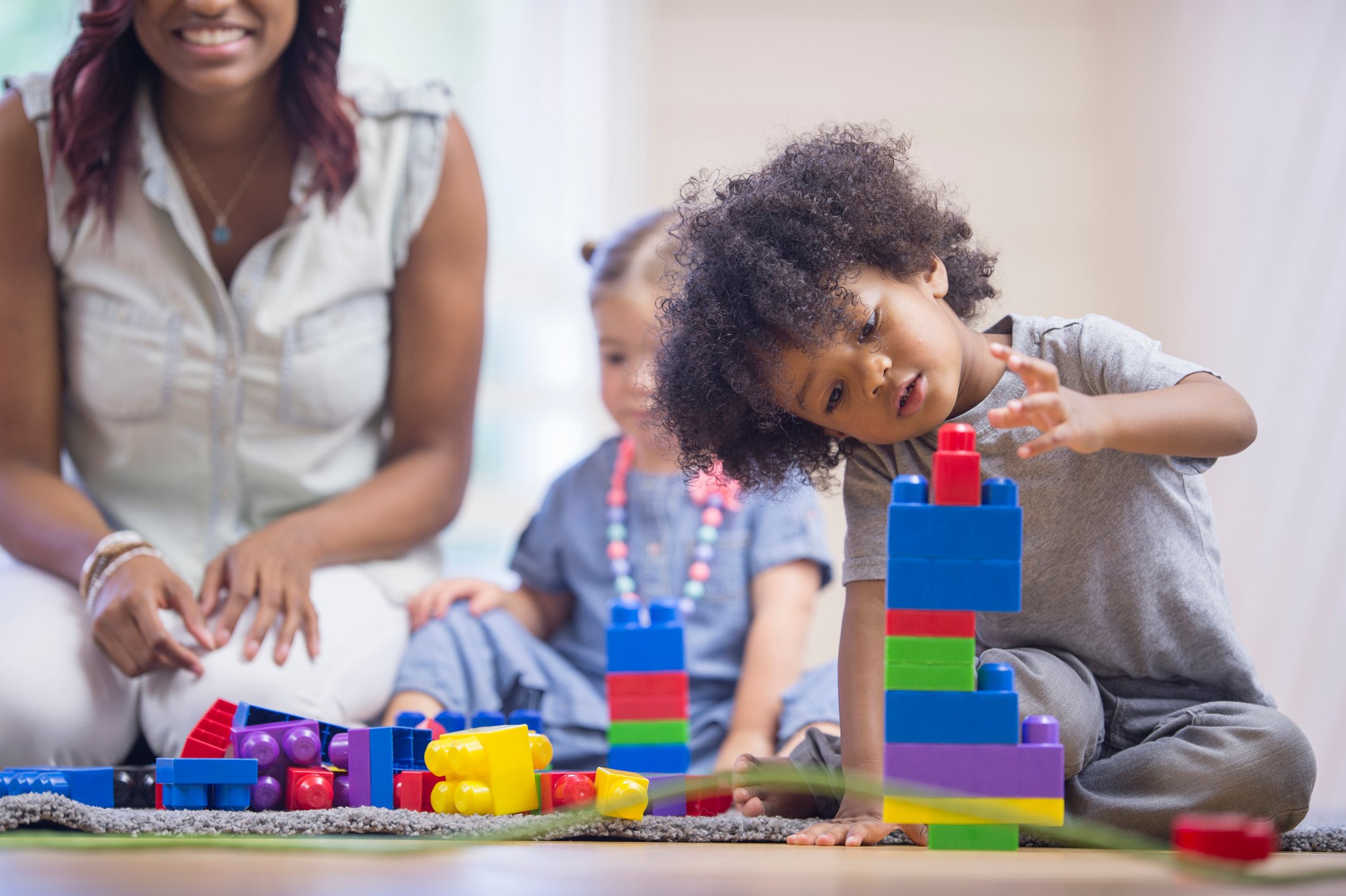
Your baby's fine motor skills continue to improve this month. Around this time, they are able to grasp an object using their thumb and forefinger. This is called the pincer grasp. They may enjoy stacking blocks or placing objects into one another. They may also like to play with simple puzzles, preferably the wooden ones where each piece has a little handle.